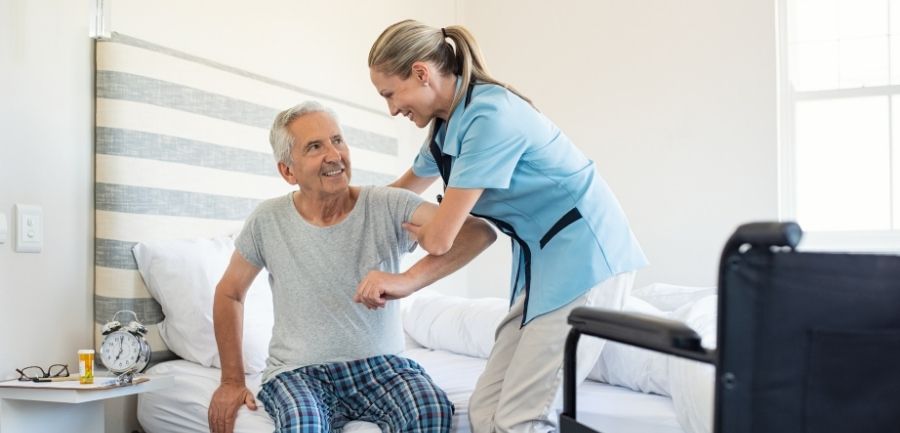
Managing home care effectively requires a comprehensive approach that balances the needs of the individual receiving care with the capabilities and resources available. As the demand for quality home care services continues to grow, understanding the nuances of effective management can significantly enhance the quality of care provided. This article explores essential tips for managing home care proficiently, ensuring that both caregivers and recipients experience optimal outcomes.
Understanding the Needs of the Care Recipient
The first step in effective home care management is a thorough understanding of the needs of the care recipient. This involves:
- Conducting comprehensive assessments to determine medical and personal care requirements.
- Regularly updating care plans to reflect changes in health conditions.
- Engaging with healthcare professionals to create a supportive care network.
For more detailed strategies on assessing individual needs, discover expert strategies here .
Hiring and Training Competent Caregivers
The effectiveness of home care is largely dependent on the quality of the caregivers employed. Consider the following when hiring and training:
- Screen potential caregivers thoroughly for experience and qualifications.
- Provide ongoing training to keep caregivers updated on the latest care techniques.
- Ensure that caregivers are well-versed in emergency procedures and protocols.
Learn about our tailored solutions for hiring and training by visiting this link.
Implementing Personalized Care Plans
Developing Customized Care Plans
Personalized care plans are essential for meeting the unique needs of each care recipient. Steps to develop these plans include:
- Collaborating with healthcare providers to integrate medical and personal care needs.
- Setting achievable goals and regularly reviewing progress.
- Incorporating feedback from the care recipient and family members.
For more insights on creating personalized care plans, explore advanced guides and tips.
Utilizing Technology in Home Care
Technology can greatly enhance the management of home care services. Consider the following applications:
- Using telehealth services to provide remote consultations and monitoring.
- Implementing electronic health records for seamless information sharing.
- Employing smart home devices to assist with daily living activities.
Find out more about this approach by visiting this comprehensive resource.
Regular Communication and Feedback
Maintaining open communication lines among caregivers, recipients, and family members is crucial. Effective communication strategies include:
- Scheduling regular meetings to discuss care progress and address concerns.
- Utilizing communication tools to facilitate ease of information exchange.
- Encouraging feedback to continuously improve the quality of care.
To learn how to enhance communication in home care settings, find out more here.
Conclusion
Effective home care management is a dynamic process that requires careful planning, skilled caregivers, and the use of modern technologies. By focusing on personalized care plans, regular communication, and ongoing training, caregivers can provide high-quality care that enhances the well-being of recipients. For those looking to delve deeper into home care management strategies, the resources available at Caring Care offer valuable insights and guidance.
